THIRD QUARTER 2024
New proposals for European Projects on technological innovation that contribute to the fullfilment of the SDGs
The ODS ACCIÓ Foundation has participated as a partner in the presentation of two European projects, in collaboration with universities, technology centres and organisations with expertise in innovative technologies, which contribute to the protection and conservation of the environment and natural resources.
The first project will develop a sustainable innovative technology to remove microplastics from wastewater and assess their potential as a source of renewable energy. The priority of this project is to provide a solution that will make it possible to reduce the pollution footprint of our marine ecosystems with the increasing presence of microplastics and the high impact it is having on people, animals and the environment.
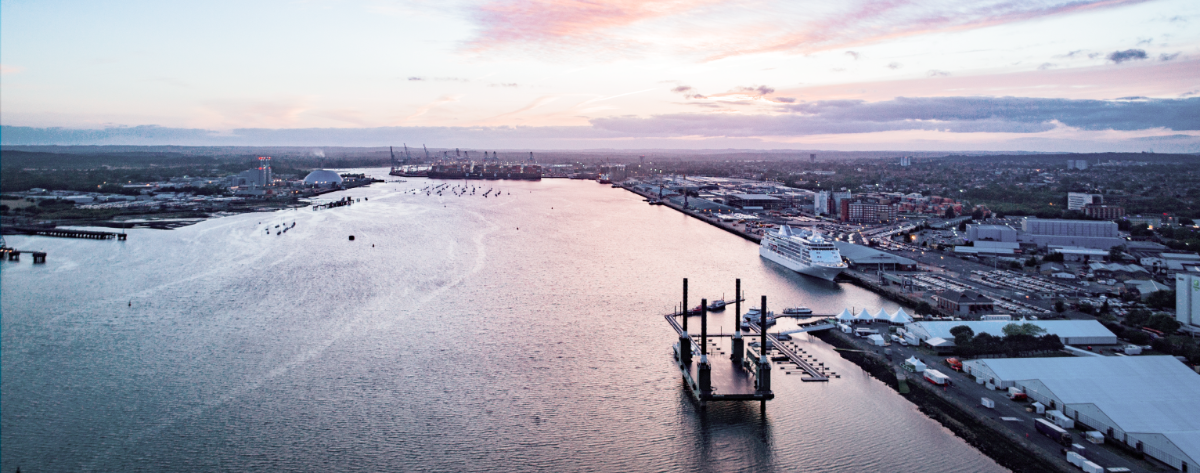
In order to improve the efficiency of EU port services, the second project will provide advanced ICT tools in a smart ecosystem for next generation European freight and passenger transport systems in Europe. The primary purpose of this challenge is to elaborate an advanced automated mobility system for clean and efficient transport, optimising port management towards reducing energy consumption and boosting renewable energies.
The Foundation’s main mission is to contribute to the achievement of the United Nations 2030 Agenda for Sustainable Development and it is firmly committed to providing innovative solutions that help meet the Sustainable Development Goals (SDGs), as on this occasion, through the promotion of these two research and technological innovation projects, aimed at boosting efficient and sustainable progress at the European level.
These two environmental technological innovation projects comprehensively address several critical Sustainable Development Goals (SDGs). SDG 6 (Clean Water and Sanitation) directly benefits from the innovative technology that “will eliminate microplastics from wastewater,” contributing to ensuring “availability and sustainable management of water and sanitation for all” [1]. Both projects drive SDG 13 (Climate Action): the valorisation of microplastics as a renewable energy source and the development of clean and efficient transport systems that “optimise port management towards reducing energy consumption” [2]. Finally, SDG 14 (Life Below Water) is significantly strengthened by “reducing the pollution footprint suffered by our marine ecosystems with the presence of microplastics,” thus protecting marine biodiversity and oceanic resources [3].
References
- United Nations (s.f.). Clean Water and Sanitation. Sustainable Development. https://www.un.org/sustainabledevelopment/es/water-and-sanitation/
- United Nations (s.f.). Climate Action. Sustainable Development. https://www.un.org/sustainabledevelopment/es/climate-change/
- United Nations (s.f.). Life Below Water. Sustainable Development. https://www.un.org/sustainabledevelopment/es/oceans/
This activity contributes to the achievement of the following SDGs: